Key Takeaways
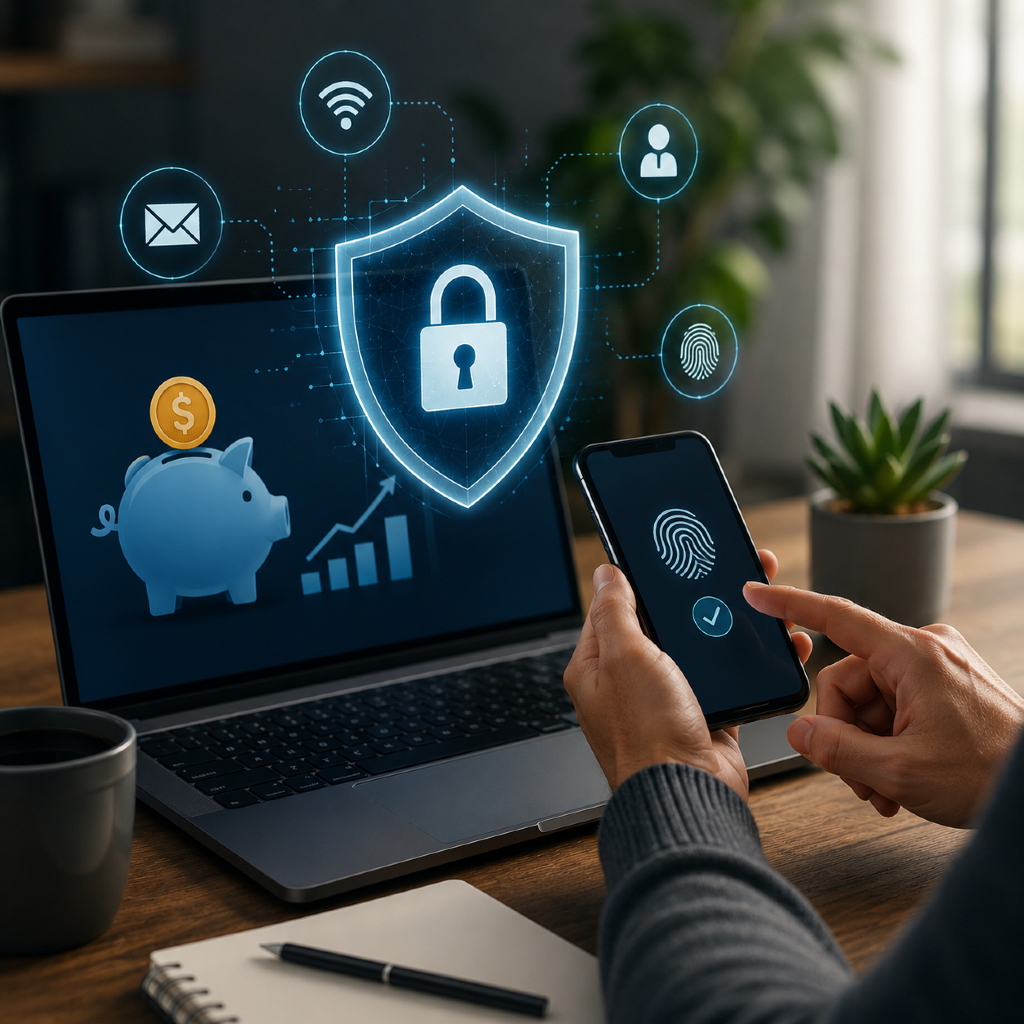
- Maintaining strong cyber hygiene is crucial for protecting retirement accounts from digital threats and financial loss.
- Regular security checks and compliance with financial cybersecurity guidelines help ensure ongoing protection for your savings.
You can greatly reduce your risk by understanding key digital threats and implementing proven, compliance-focused strategies. This article will walk you through practical steps to shield your retirement savings from today’s online dangers, offering clarity and confidence every step of the way.
What Is Cyber Hygiene for Retirement?
Core principles of cyber hygiene
Cyber hygiene refers to the routine practices and steps you take to protect your online presence—much like washing your hands reduces your exposure to germs, these habits help safeguard your sensitive information. For retirement accounts, this means regularly updating passwords, monitoring activity, enabling security features, and keeping your devices safe from malware and unauthorized access.
Strong cyber hygiene includes:
- Using unique, complex passwords for each account
- Regular software and device updates
- Staying cautious with emails and unfamiliar links
- Enabling security features like multi-factor authentication
Why retirement accounts face digital risks
Retirement accounts are often primary targets for cybercriminals because they typically contain significant savings and are accessed less frequently, making suspicious activities easier to miss. Many retirees trust online portals for managing investments, which creates potential entry points for attackers if basic protections are overlooked. Your commitment to cyber hygiene directly impacts the security of your hard-earned savings.
Why Does Cybersecurity Matter for Retirees?
Growing threat landscape in 2026
As technology evolves, so do the tactics of cybercriminals. In 2026, new digital threats continue to emerge, targeting individuals as well as financial institutions. Automated phishing campaigns, advanced malware, and social engineering attacks have become increasingly sophisticated. Retirees, who may be less familiar with recent online threats, are especially vulnerable.
Common tactics targeting retirement accounts
Attackers often use tactics such as impersonation emails (phishing), fake login pages, or malicious attachments to obtain login credentials. Additionally, weak passwords or unsecured devices can be exploited to gain unauthorized access to retirement funds. The emotional element is crucial as well—fraudsters frequently impersonate trusted organizations, aiming to create a sense of urgency and prompt immediate action.
How Can You Identify Online Threats?
Phishing signs and warning indicators
Phishing remains one of the primary ways retirement accounts are compromised. Recognize these signs:
- Unexpected emails requesting personal information
- Messages with urgent language or pressure to act quickly
- Misspellings or irregular sender addresses
- Suspicious links, especially those not matching official websites
A legitimate financial institution will not ask for sensitive information through unsolicited emails or texts. Always verify before responding or clicking any links.
Suspicious activity detection steps
Stay alert to signs of trouble:
- Notifications for account changes you didn’t request
- Unfamiliar transactions or failed login attempts
- Account access from new devices or locations
If you spot any of these, take prompt action by immediately contacting your account provider and updating your security credentials.
What Compliance Requirements Protect Your Savings?
Overview of financial cybersecurity regulations
Financial institutions are required to follow strict cybersecurity regulations to protect client data and assets. In the U.S., organizations must comply with laws such as the Gramm-Leach-Bliley Act (GLBA) and the SEC’s Regulation S-P, which set standards for safeguarding sensitive information. While these rules are enforced at the provider level, your awareness and cooperative efforts are vital in protecting your retirement savings.
Practical tips for staying compliant
- Keep personal details up to date with your retirement plan provider
- Immediately report suspicious activity to your provider
- Document any security incidents or communications
- Use provider-recommended security features such as secure portals and multi-factor authentication
- Avoid sharing personal login credentials, even with trusted individuals
Compliance isn’t just the responsibility of your provider—you play a critical role by staying vigilant and following cybersecurity guidelines.
Step-by-Step: Practicing Strong Cyber Hygiene
Use of unique, secure passwords
Choose passwords that are long, unpredictable, and use a combination of uppercase and lowercase letters, numbers, and symbols. Avoid using the same password for multiple accounts, and consider using a reputable password manager to keep track of complex passwords securely.
Multi-factor authentication protection
Enable multi-factor authentication (MFA) on every retirement account platform that offers it. MFA adds another layer of defense by requiring a second form of verification—such as a code sent to your mobile device—making it much harder for unauthorized users to access your accounts, even if they have your password.
Smart device and Wi-Fi safety measures
Protect your retirement information by:
- Ensuring your computer and mobile devices have up-to-date antivirus and operating system updates
- Connecting only to secure, password-protected Wi-Fi networks
- Logging out after each account session
- Avoiding account access from shared or public devices whenever possible
Strong device security means fewer opportunities for cybercriminals to intercept your account details.
What Should You Do If Compromised?
Immediate actions following a breach
If you suspect your retirement account has been compromised, act quickly:
- Change your account passwords immediately
- Enable or update two-factor authentication
- Review and monitor all recent transactions or account changes
- Notify your retirement account provider of the breach
Speed is crucial—quick action can help contain and minimize the damage from an account breach.
Who to contact for cybersecurity support
- Contact your retirement account provider’s security department
- Reach out to your financial adviser for guidance
- Consider reporting the incident to the Federal Trade Commission (FTC) or other official bodies
Many providers now have dedicated fraud hotlines and online portals to assist you. Keeping important contact information handy ensures you can respond without delay.
How Can You Review Account Security Annually?
Conducting a yearly cyber hygiene checkup
Commit to an annual review of your retirement account security settings. This checkup should include:
- Changing passwords and updating recovery information
- Reviewing access and authorized devices
- Verifying your contact information on file
- Checking account statements for unauthorized activity
Regular reviews allow you to catch vulnerabilities early and reinforce your security habits.
Useful resources for ongoing security
Take advantage of educational resources from government agencies and reputable financial organizations. Tools such as the FTC’s security guides, the Consumer Financial Protection Bureau’s (CFPB) online safety checklists, and your retirement provider’s cybersecurity training can empower you to stay informed and proactive.
Cyber Hygiene Compliance FAQ
Answers to common security and compliance questions
Staying compliant involves both understanding regulations and maintaining personal vigilance. Common concerns include:
- How often should you update your passwords? (At least every six months, or immediately after a breach)
- What should you do if you receive a suspicious message? (Never click links or download attachments; contact your provider directly)
- Do you need to inform your provider if your contact information changes? (Yes, to ensure you receive security alerts and account notifications)
Navigating cybersecurity for your retirement accounts may seem overwhelming, but practicing good cyber hygiene is an achievable—and essential—part of protecting your financial future. Make these steps a regular part of your financial routine, and your savings will be safer today and well into the future.